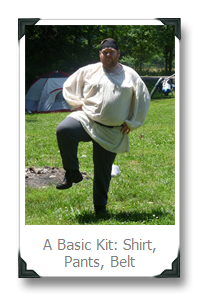
Over the last weekend, Eldaraenth had it's start of season feast and social event. We normally have the event in January, but, since 2012 was a really bad year for just about everyone, it took us a couple of extra months to get started. Since this event is the time for us to set the tone for the season, I thought it would be a good time to reflect on more than just story or character plot and look to what being part of a community and culture are really about.
As last year progressed, the game I love to play began to feel less and less like itself. One of the reasons I have been such an advocate for LARP and Role Play in general is because of the positive messages and lessons it can bring to those that are part of that world. I've always seen it as a way to improve myself and develop friendships that last for decades. During the course of 2012, however, even Eldaraenth, which has always prided itself on being those things seemed to be falling into the trap of becoming a place where people go out to fight and then spend the night partying.
I didn't do the frat scene in college, and I don't want to do the frat thing now that I'm almost thirty. In my introspection, I realized that as the game's leader, it was up to me to remind the players that I love exactly why we loved the game in the first place. So, I poured all of my thoughts and emotions into a speech and set off to the event ready to really share something important to me with the players around me.
The moment I got to the event site, I was bombarded with a lot of concerns and problems that players had spent all winter worrying over. I realized that most of what they were telling me were the same worries that were biting at the back of my mind. I wasn't alone in my concerns. I listened as each of them came to me with their fears.
I was actually pretty shocked when I realized that some of the most veteran players, people that had given a decade of their lives to this game, were in a place where they seriously considered not playing anymore. I'm not just talking about dedicated event attendees, either. I'm talking about hardcore veterans that spent weeks working on things for the game before each event. These were people that I couldn't imagine ever not playing the game.
I knew that I had made the right decision about what I had put in my speech. I knew that I had picked the right issues to address and focus on this year.
The speech I wrote was an emotional one for me. If you've ready any of my other blog, you probably know that I'm a bit emo. This speech was the most emo thing I'd written in a very, very long time. It took a lot out of me, standing in front of a group of people I have a lot of admiration and respect for and pouring my heart out. As soon as I was done speaking, I had to excuse myself from the hall we had rented for the feast and spend some cool down time outside.
When I came back in, I was almost immediately pulled into conversations about what had been happening the year before and how we could address those issues. They went beyond just talking about the partying and began bringing up ways we could improve ever facet of our game and our culture.
I was proud to be sitting at that table with a handful of players, veterans and new, who wanted to make their game a better place for everyone involved.
As one issue after another got address and resolved, the talk natural wound down and split off on tangents. I sat back and felt accomplished. I realized that I was really looking forward to this year after feeling so burnt out and drained from the year before.
People began to head out after a long day of fighting, eating and catching up. Several of them stopped and let me know that they had been feeling pretty down about the game before the event and now they were feeling incredibly positive and optimistic Like me, just coming out and reaffirming what we wanted our community to be had rekindled their love of it.
For the first time in a very long time, I felt like I had done my job as the game's leader. For the first time in a long time, I felt like I was living up to that mantle.
Even better, players were feeling like they had found something they had lost and remembered how much the loved and missed it when it was gone.
To me, that is the point of all of this.
LARP culture is an amazing place that can help boys and girls become men and women, or more. Knights and Wizards! Or Orcs and Trolls if that's what they're into. We as a community and as a culture can help children grow in a positive, amazing environment.
Then, in my excitement and with the encouragement and feedback of the people watching the video of my speech on Facebook, I posted a link on the LARP subreddit and was reminded that our culture can have a downside. There is an natural draw to games that allow you to fight, plot and scheme. It is a creative outlet for people that are aggressive and confrontational. That's a wonderful amazing thing, as long as it is directed into the positive atmosphere of a boffer field or an intense role play.
Where it gets damaging is when we allow those things to carry over into the mundane side of our games and community. Where a rivalry between two fighting companies makes for some intense, fun, and epic battles on the pitch, a rivalry between games or players becomes a dirty mockery of the values we should be embracing. Manipulating court politics can be an exciting way of getting involved in a story. Obsessing over game politics is a destructive waste of time.
I love Eldaraenth. It is the game for me. I love what I get from it as a game and what I get from the community I play with.
It is not better or worse than other games. It is different than other games. For me, that difference is mostly in who I play with and how we play, not what we play.
I feel like the greatest crime in LARP culture is the inherent rivalry that grows between games and the resentment that players harbor for one another. Those are the truly poisonous parts of our culture that we should all, regardless of game, genre, location, or tusk count should work to eliminate in favor of creating a more positive community all around.
We all have parts of our community that we can improve. I'm certain that even with a dedicated group working through every problem they could think of, we're still going to have some massive holes in our strategies. All of us, and I mean all LARPers, need to share and help one another.
What are some of the issues that you've seen in your game?
How did your game address them?
What is your State of the Game?
I'd love to hear from all of you on this. Together, we can all build a better LARPer.

As last year progressed, the game I love to play began to feel less and less like itself. One of the reasons I have been such an advocate for LARP and Role Play in general is because of the positive messages and lessons it can bring to those that are part of that world. I've always seen it as a way to improve myself and develop friendships that last for decades. During the course of 2012, however, even Eldaraenth, which has always prided itself on being those things seemed to be falling into the trap of becoming a place where people go out to fight and then spend the night partying.
I didn't do the frat scene in college, and I don't want to do the frat thing now that I'm almost thirty. In my introspection, I realized that as the game's leader, it was up to me to remind the players that I love exactly why we loved the game in the first place. So, I poured all of my thoughts and emotions into a speech and set off to the event ready to really share something important to me with the players around me.
The moment I got to the event site, I was bombarded with a lot of concerns and problems that players had spent all winter worrying over. I realized that most of what they were telling me were the same worries that were biting at the back of my mind. I wasn't alone in my concerns. I listened as each of them came to me with their fears.
I was actually pretty shocked when I realized that some of the most veteran players, people that had given a decade of their lives to this game, were in a place where they seriously considered not playing anymore. I'm not just talking about dedicated event attendees, either. I'm talking about hardcore veterans that spent weeks working on things for the game before each event. These were people that I couldn't imagine ever not playing the game.
I knew that I had made the right decision about what I had put in my speech. I knew that I had picked the right issues to address and focus on this year.
The speech I wrote was an emotional one for me. If you've ready any of my other blog, you probably know that I'm a bit emo. This speech was the most emo thing I'd written in a very, very long time. It took a lot out of me, standing in front of a group of people I have a lot of admiration and respect for and pouring my heart out. As soon as I was done speaking, I had to excuse myself from the hall we had rented for the feast and spend some cool down time outside.
When I came back in, I was almost immediately pulled into conversations about what had been happening the year before and how we could address those issues. They went beyond just talking about the partying and began bringing up ways we could improve ever facet of our game and our culture.
I was proud to be sitting at that table with a handful of players, veterans and new, who wanted to make their game a better place for everyone involved.
As one issue after another got address and resolved, the talk natural wound down and split off on tangents. I sat back and felt accomplished. I realized that I was really looking forward to this year after feeling so burnt out and drained from the year before.
People began to head out after a long day of fighting, eating and catching up. Several of them stopped and let me know that they had been feeling pretty down about the game before the event and now they were feeling incredibly positive and optimistic Like me, just coming out and reaffirming what we wanted our community to be had rekindled their love of it.
For the first time in a very long time, I felt like I had done my job as the game's leader. For the first time in a long time, I felt like I was living up to that mantle.
Even better, players were feeling like they had found something they had lost and remembered how much the loved and missed it when it was gone.
To me, that is the point of all of this.
LARP culture is an amazing place that can help boys and girls become men and women, or more. Knights and Wizards! Or Orcs and Trolls if that's what they're into. We as a community and as a culture can help children grow in a positive, amazing environment.
Then, in my excitement and with the encouragement and feedback of the people watching the video of my speech on Facebook, I posted a link on the LARP subreddit and was reminded that our culture can have a downside. There is an natural draw to games that allow you to fight, plot and scheme. It is a creative outlet for people that are aggressive and confrontational. That's a wonderful amazing thing, as long as it is directed into the positive atmosphere of a boffer field or an intense role play.
Where it gets damaging is when we allow those things to carry over into the mundane side of our games and community. Where a rivalry between two fighting companies makes for some intense, fun, and epic battles on the pitch, a rivalry between games or players becomes a dirty mockery of the values we should be embracing. Manipulating court politics can be an exciting way of getting involved in a story. Obsessing over game politics is a destructive waste of time.
I love Eldaraenth. It is the game for me. I love what I get from it as a game and what I get from the community I play with.
It is not better or worse than other games. It is different than other games. For me, that difference is mostly in who I play with and how we play, not what we play.
I feel like the greatest crime in LARP culture is the inherent rivalry that grows between games and the resentment that players harbor for one another. Those are the truly poisonous parts of our culture that we should all, regardless of game, genre, location, or tusk count should work to eliminate in favor of creating a more positive community all around.
We all have parts of our community that we can improve. I'm certain that even with a dedicated group working through every problem they could think of, we're still going to have some massive holes in our strategies. All of us, and I mean all LARPers, need to share and help one another.
What are some of the issues that you've seen in your game?
How did your game address them?
What is your State of the Game?
I'd love to hear from all of you on this. Together, we can all build a better LARPer.